
When Chronic Pain Stops You From Living Fully
Chronic pain can turn even simple days into a challenge. Warm weather, long evenings, and time with family and friends should feel fun, not like something you have to plan around your back, neck, or joint pain. When every step, twist, or car ride hurts, it is hard to enjoy the things that make life in Fernley special.
Chronic pain is pain that lasts longer than three months. It might have started after an old injury or it might have slowly crept in without a clear reason. Many people learn to live around it, telling themselves it is just part of getting older or that they should be able to tough it out with over-the-counter pills and rest.
We see how common this is. At a chiropractic and wellness clinic in Fernley, NV, our focus is on helping people look past the quick fixes and ask a better question: why is this pain still here? Once you start asking that, it becomes easier to see when it is time to stop waiting and start getting focused help for your body.
Is It Just Soreness or a Chronic Pain Pattern?
Normal soreness usually has a clear cause and a clear end. Maybe you spent a weekend working in the yard, helped a friend move, or took a long drive. You feel stiff and sore for a few days, then your body settles down and you are back to your usual self.
Chronic pain looks and feels different. It does not follow that simple up and down pattern. Instead, it sticks around, comes back again and again, or slowly spreads to other areas.
Some signs that point to a chronic pattern include:
• Pain that lasts longer than 6 to 8 weeks without a clear improvement
• Aching or stiffness that is worst in the morning and never fully goes away
• Needing regular pain medicine just to get through normal days
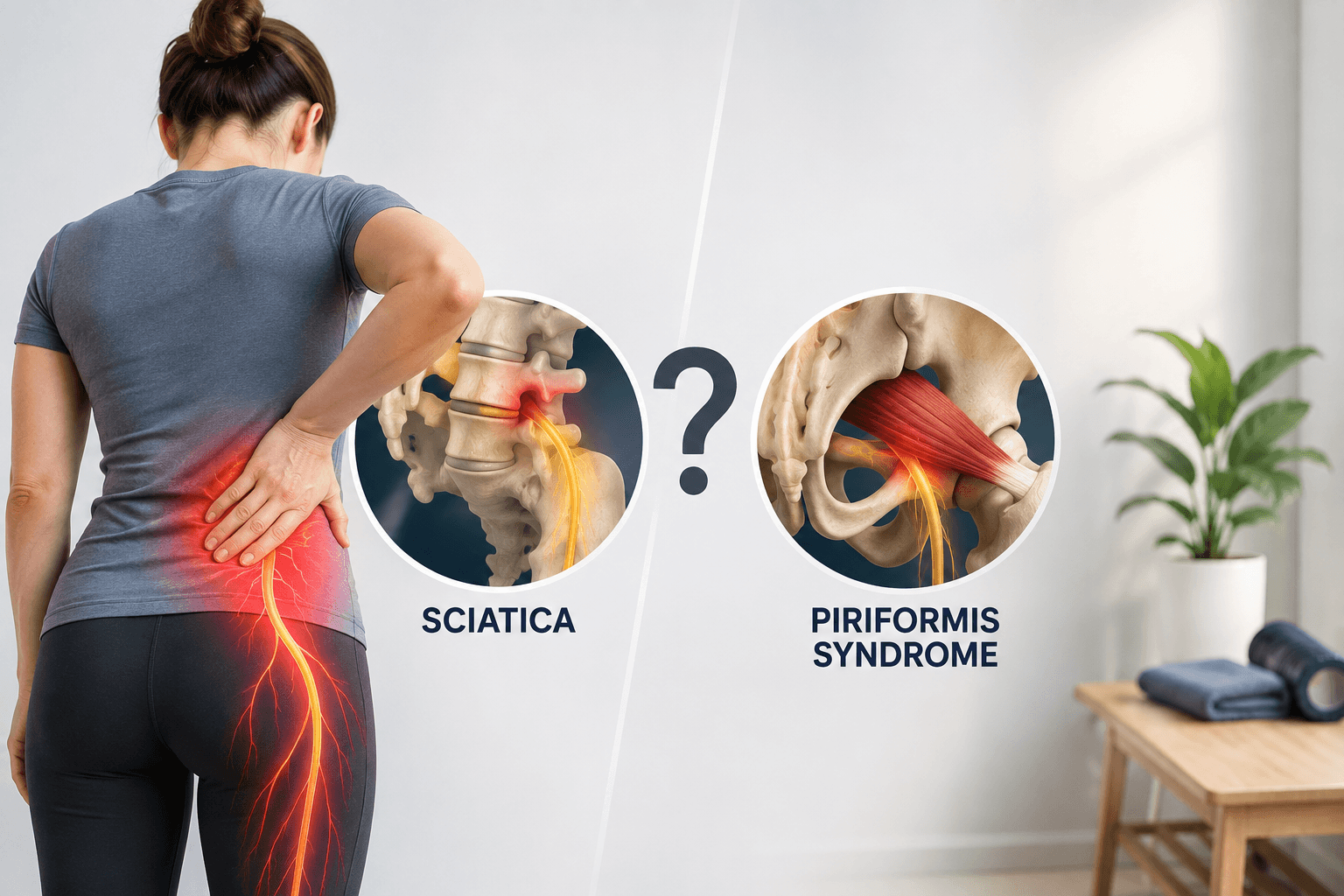
• Pain that moves or spreads, for example from your lower back into your hip or leg
• Trouble sleeping because you cannot find a position that feels okay
This kind of pain does more than affect your body. It can drain your energy, shorten your patience, and leave you feeling left out when family or friends plan activities you are not sure you can handle. Over time, it can change how you move, how you think about your body, and how much you enjoy daily life.
Catching this pattern early matters. When one area hurts, your body often starts to compensate. You may twist a little differently, shift your weight, or sit in odd positions to avoid the sore spot. That can set up new areas of strain and, later on, new injuries. Paying attention to the signs now can help protect your long-term mobility and comfort.
Red Flags That Mean It’s Time to See a Chiropractor
Some aches fade on their own, but certain signs should make you stop and pay close attention. These red flags do not always mean something serious is wrong, but they do mean your body needs more than just rest and hope.
Common red flags include:
• Pain that started after a small incident and never fully settled down
• Recurring headaches, especially if they come with neck tightness or jaw tension
• Sharp, shooting pain down an arm or leg
• Numbness, tingling, or a “pins and needles” feeling in your hands, feet, or along a limb
• Feeling like you have to constantly twist or “crack” your own neck or back for relief
Lifestyle limits are another big clue. Maybe you used to walk the local trails, but now your back flares up halfway through. Maybe you avoid sitting at kids’ games because your neck and shoulders lock up. When pain or stiffness starts to make your world smaller, it is time to listen.
Waiting often backfires. The longer your body works around a problem, the more ingrained poor posture and altered movement patterns become. That can place extra stress on your spine, joints, and soft tissues and set you up for future flare-ups.
A chiropractor in Fernley, NV, is trained to look at how these pieces fit together. Instead of just focusing on the spot that hurts, we look at how your spine, joints, muscles, and nerves are working as a whole and then decide what type of care is safe and appropriate.
What to Expect at a Fernley Chiropractic Visit
Taking that first step can feel a little unknown, so it helps to know what usually happens. Your first visit is mainly a conversation and a careful look at how your body is moving right now.
We typically start by asking about:
• Where you feel pain and how long it has been there
• Your work and daily activities, including how much you sit, stand, or lift
• Past injuries or surgeries, even those that seem unrelated
• Triggers that seem to make things worse, like yardwork, long drives, or certain sports
From there, we move into an exam. This might include:
• Posture checks while you stand and sit
• Simple movement and range-of-motion tests for your neck, back, and major joints
• Orthopedic and neurologic checks to see how your joints and nerves are working
• Referral for imaging if your history or exam suggests it is needed for safety
Once we understand what is happening, we talk about a plan. Care can include gentle spinal adjustments, soft-tissue work, guided stretching, and simple strengthening drills you can do at home. We also look at how you move through your day, from how you sit at work to how you lift, bend, and rest.
There is no one plan that fits everyone. Two people with similar pain can need very different care. Our goal is simple: help reduce your pain, improve how your body functions, and support your overall wellness so you can stay active with more confidence.
Request Appointment
Questions about this topic? Our Fernley team is happy to help.
Written by
Ascension Health
Chiropractic & Wellness Team
Fernley’s trusted team for chiropractic care, joint injections, hormone therapy and medical weight loss, helping Northern Nevada live pain-free.